


Leather bags change with everyday use. Some gradually develop a deeper color and a natural sheen, while others may show scratches or changes in texture.
Different types of leather have different characteristics and require different care. Vegetable-tanned leather, suede, and waxed leather each need an approach suited to their material.
Why Is Your Leather Bag Peeling?
Not every change in appearance means the leather is damaged. The first step is to understand what is causing it.
-
Natural changes: Vegetable-tanned leather may darken and develop a richer sheen over time, while waxed leather may show lighter areas or marks from friction.
-
Worn edges: Frequent rubbing can cause edge paint or other coatings to crack or peel.
-
Surface damage: Heat, moisture, friction, and unsuitable cleaning products can affect a leather bag’s finish.
If you notice visible peeling or flaking, avoid pulling off loose material or applying care products at random. Identify the leather type and the cause of the damage before deciding how to treat it.
How to Care for Different Leather Types
- Vegetable-Tanned Leather

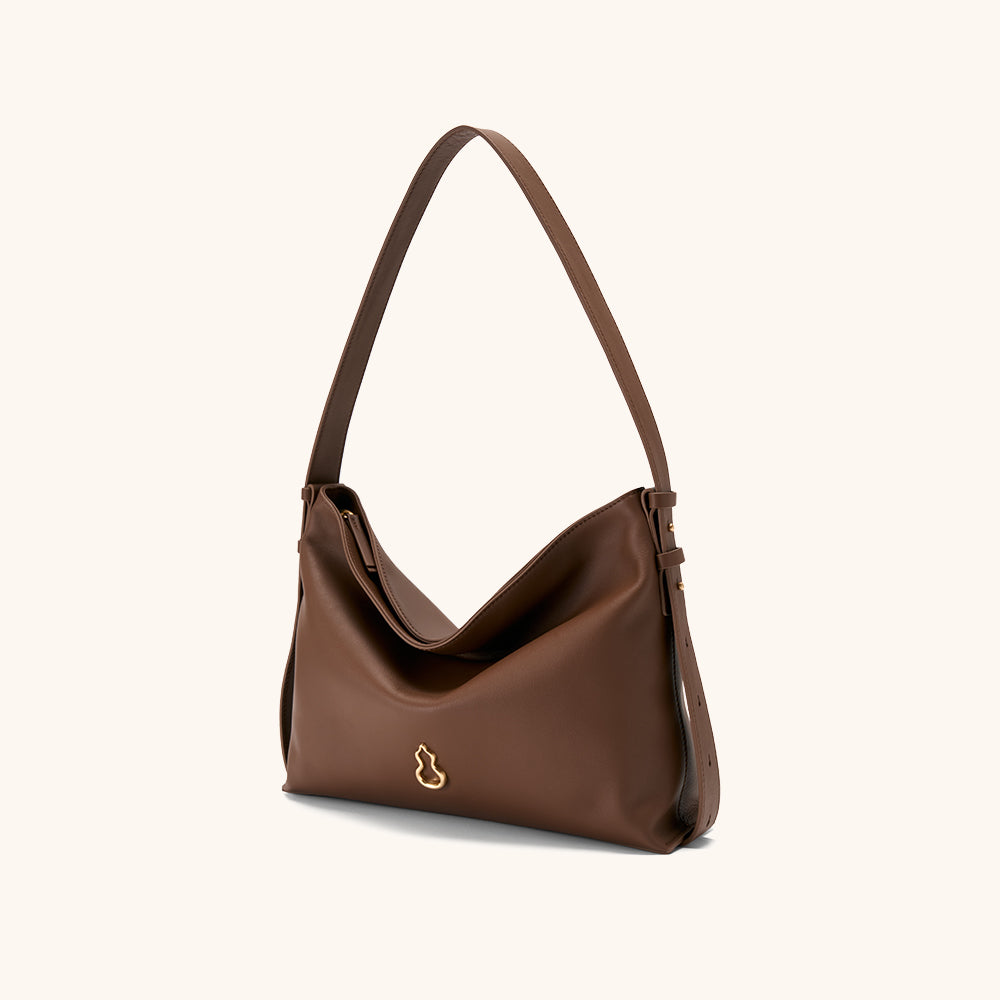
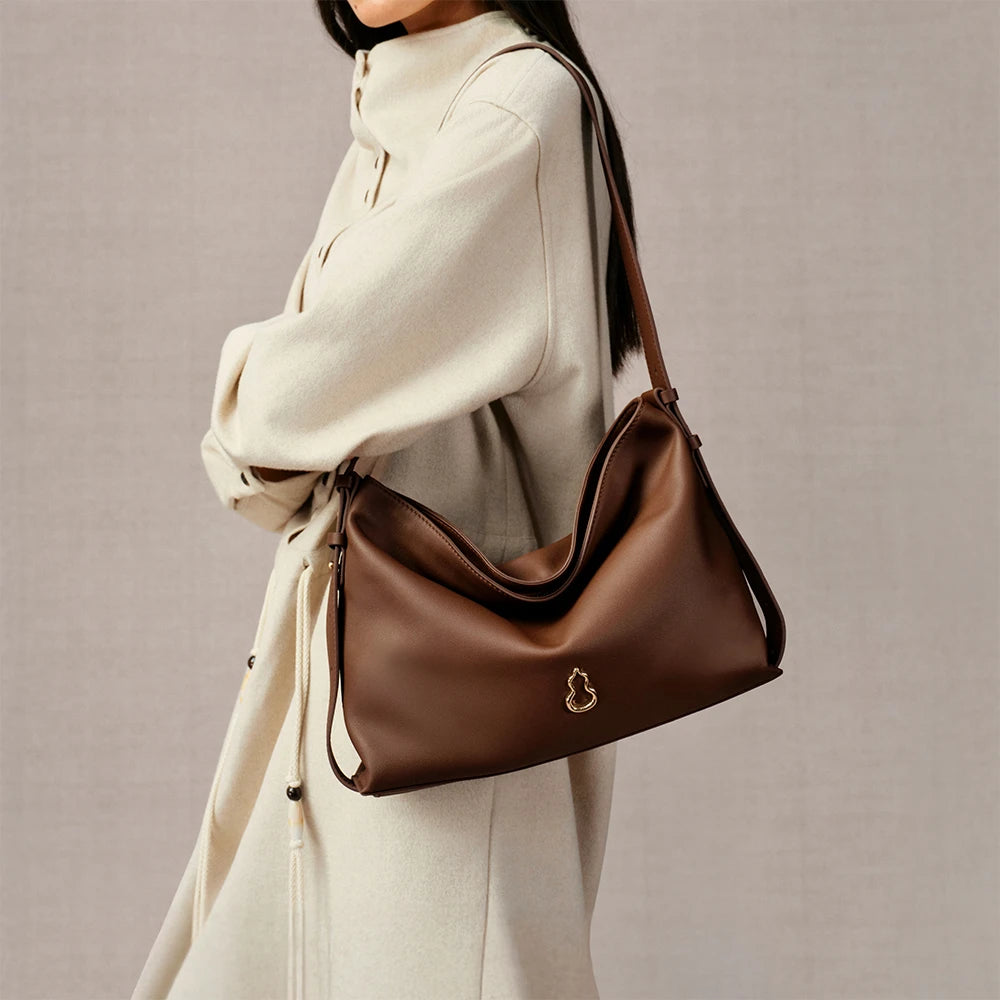
Vegetable-tanned leather is valued for its natural character and the way it changes over time. With use, its color may deepen and its surface may develop a richer sheen. This gradual change is known as patina.
Care tips:
-
Use a soft, dry cloth to gently remove dust.
-
Avoid prolonged sun exposure, excessive moisture, and high temperatures.
-
If the bag gets wet, blot it with a dry cloth and let it air-dry naturally in a well-ventilated area.
-
Avoid applying oils or conditioners too frequently, as they may change the leather’s original color and finish.
Caring for vegetable-tanned leather isn’t about keeping it looking brand-new forever. It’s about looking after it properly as it develops its own character.
2. Suede

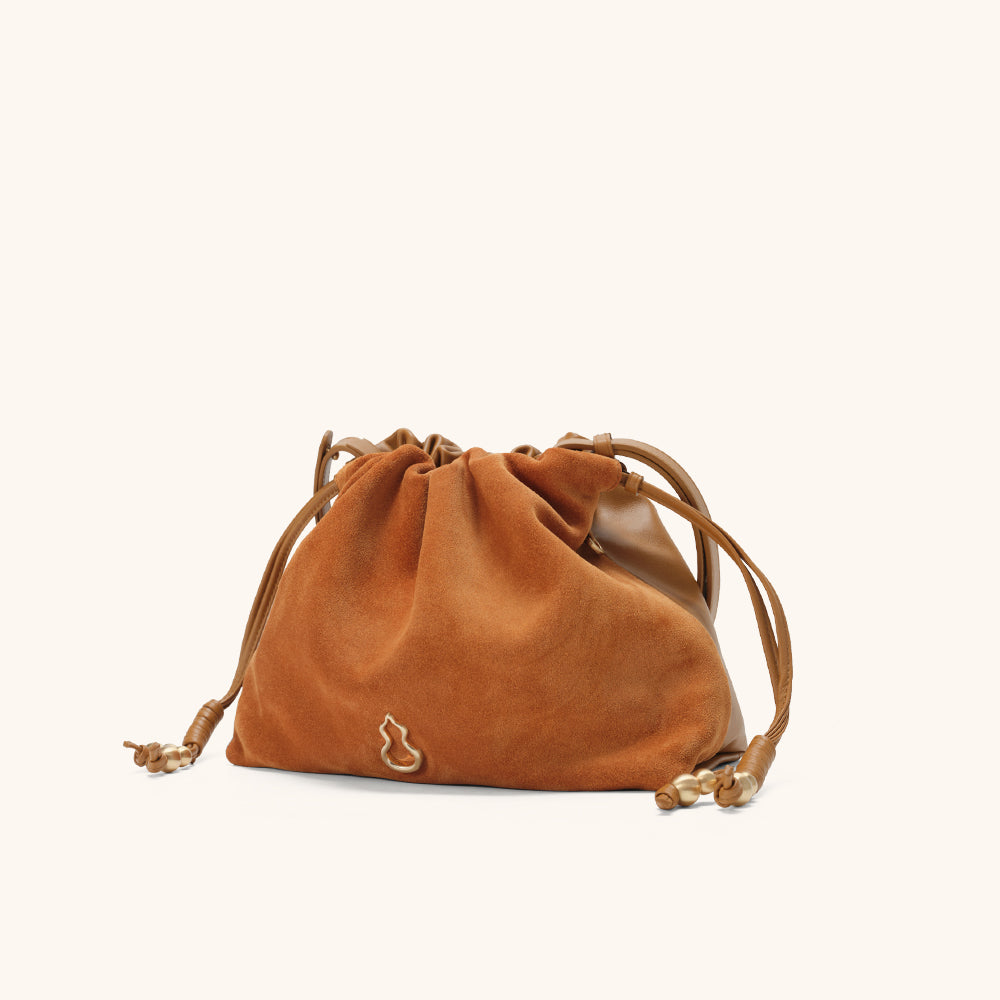
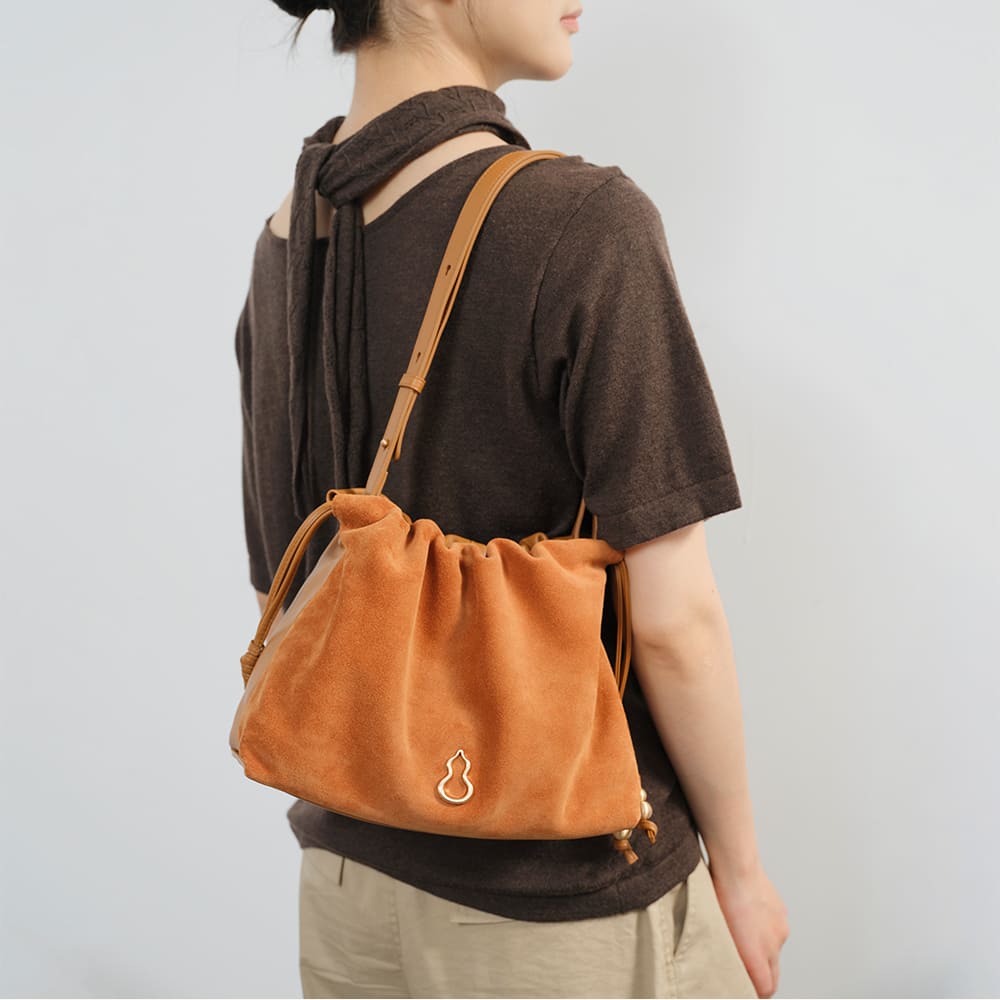
Suede is known for its soft, brushed surface and matte finish, but it can also pick up dust, oil, and water marks more easily.
Care tips:
-
Use a soft suede brush to gently clean the surface.
-
Keep it away from rain, grease, and fabrics that may transfer color.
-
If it gets wet, blot gently with a dry cloth. Once it has dried naturally, lightly brush the surface to restore the nap.
-
If using a protective spray or cleaning product, test it on a hidden area first.
Avoid using regular leather oils, waxes, or conditioners on suede, as they may flatten the nap or leave oily marks. For stubborn stains, professional care is recommended.
3. Waxed Leather

Waxed leather has a distinctive surface created through treatments involving waxes and oils. With use, it may develop light scratches, color variations, or lighter areas. These marks do not necessarily mean the leather is damaged.
Care tips:
-
Use a soft, dry cloth to remove dust.
-
For minor marks, gently buff the area with a soft cloth and see whether the appearance becomes more even.
-
Avoid excessive rubbing, prolonged soaking, and harsh cleaning products.
-
Do not apply regular leather conditioners or shoe polish without checking compatibility. Choose products suited to the specific waxed leather finish.
-
Keep the bag away from prolonged sunlight and high temperatures, which may affect its surface treatment.
Waxed leather can vary depending on how it is made and finished. If you’re unsure how to care for your bag, consult a leather care specialist.
How to Prevent Everyday Wear
Whatever the leather type, a few simple habits can help keep your bag in good condition.
-
Store it properly: Keep it in a cool, dry, well-ventilated place. Use a dust bag and gently fill the interior to help maintain its shape.
-
Avoid excessive heat and sunlight: Prolonged exposure can affect the leather’s color and condition.
-
Keep liquids and chemicals away: Perfume, cosmetics, and cleaning products may leave marks on the surface.
-
Let it dry naturally: If your bag gets wet, avoid using a hair dryer or placing it near a heater.
-
Choose care products carefully: Different leathers require different treatments. Always check that a product is suitable before use.
A Note on Leather Care from BAMPO
At BAMPO, we work with different types of leather, each with its own texture, finish, and character.
Some leathers gradually develop a deeper color and a natural sheen, while others are appreciated for their soft texture or distinctive surface. These changes do not always mean something is wrong. Understanding the material and caring for it properly reflects our dedication to authentic craftsmanship and makes all the difference.
Our advice is simple: learn about the leather your bag is made from before choosing how to care for it. This can help prevent unnecessary damage while allowing the material to develop its own character over time.
Does Genuine Leather Peel Naturally?
Leather may develop wrinkles, scratches, and changes in color as it ages, but visible flaking can indicate that a surface finish or edge coating is deteriorating.
If you notice persistent peeling, cracks, or a loose surface layer, avoid aggressive cleaning or improvised repairs. Try to determine whether the damage is in the leather itself or in its finish, and consult a leather care specialist if needed.
A Little Care Goes a Long Way
Leather bags naturally pick up signs of use, but the right care can help keep them in good condition. Understanding your material, choosing suitable care methods, and addressing unusual damage early can help your leather handbags stay with you for years to come.
Share:
How to Choose the Right Bag Color for Your Wardrobe
A Handbag for Her: 3 Gift Ideas for Every Style